 Inward × Coconut Yoga200-Hour YTT 2027
The Inward 200-Hour Yoga Teacher Training · 2027
Learn to teach from the inside out.
One Hatha foundation. Four ways to teach. Every style taught through a somatic, nervous-system-informed lens, so you learn to teach the student in front of you.
Inward's teacher training returns to Coconut Yoga Chicago, where its first cohort graduated in 2025.
Applications are open, and we reply within 24 hours. Registration for accepted applicants opens Monday, October 26.

happy you're here
AccreditedInward Yoga is a Yoga Alliance Registered Yoga School (RYS 200).
Established 2025The Inward YTT's first cohort trained and graduated at Coconut.
Host studioCoconut Yoga Chicago, 1408 W Belmont Ave.
What you'll learn
One foundation, four ways to teach.
This is more than a Vinyasa training. Hatha is the root. You'll learn its postures, breath, alignment and Sanskrit first, then how that foundation becomes a flowing Vinyasa class, a long-held Yin class or a fully supported Restorative one.
The foundation
Hatha
Postures, pranayama, alignment and the Sanskrit vocabulary every other style builds on.
Flow
Vinyasa
Linking breath and movement, building toward a peak pose, and pacing a room that moves.
Stillness
Yin
Long holds, the yin archetypes, and sequencing by what a pose is for rather than how it looks.
Rest
Restorative
Propping, supported postures, and the conditions that let a body settle.
A somatic lens
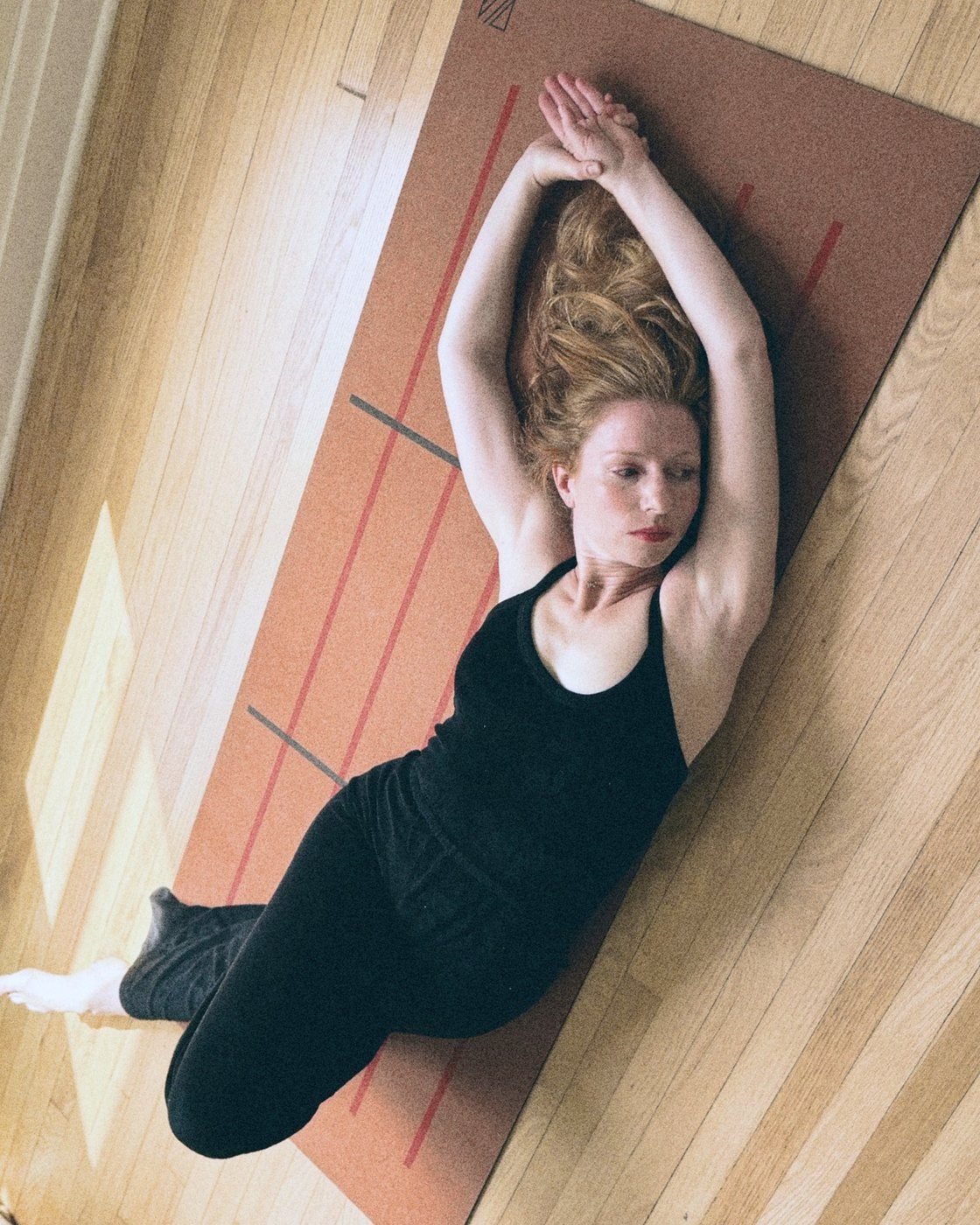
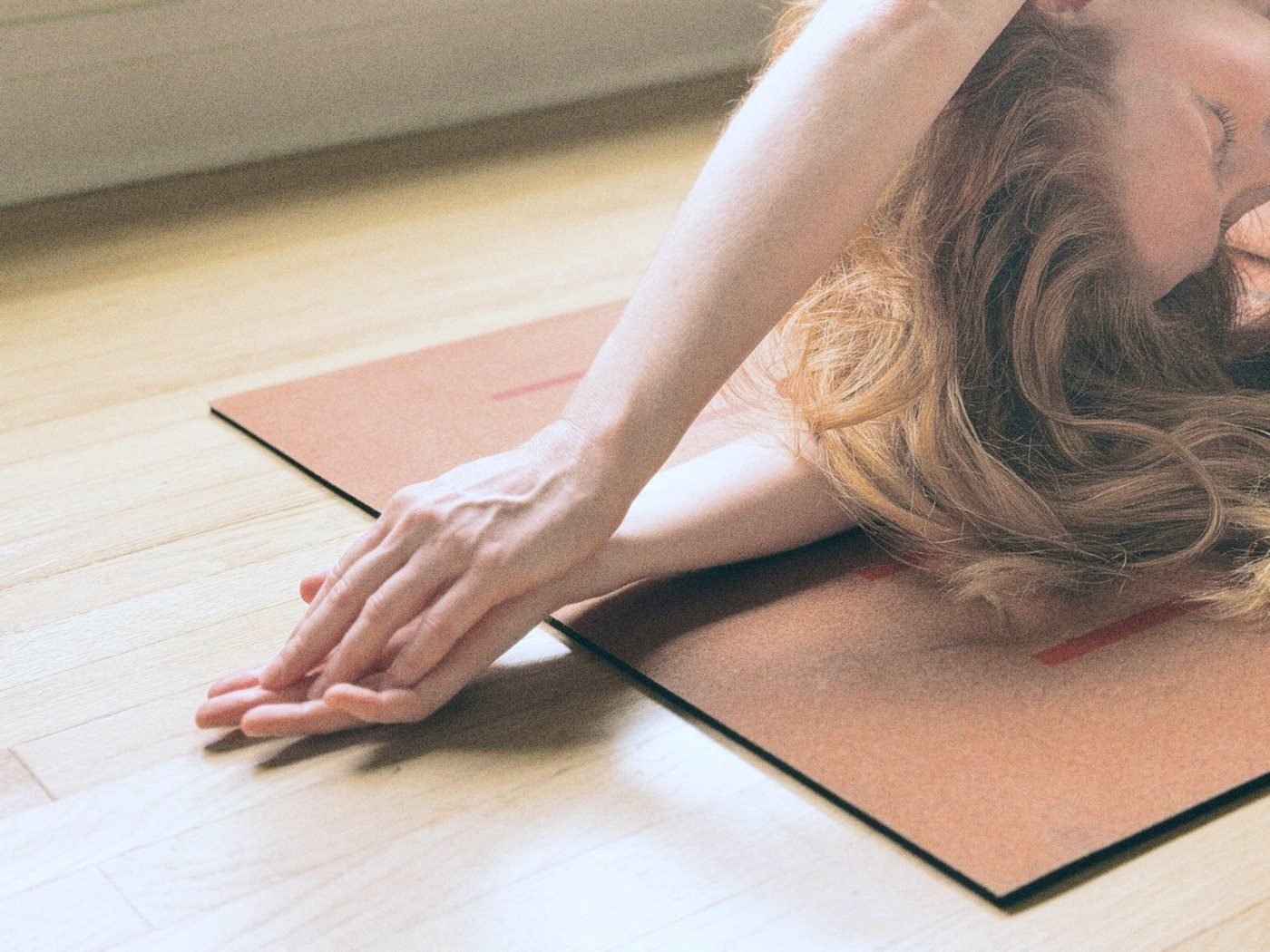
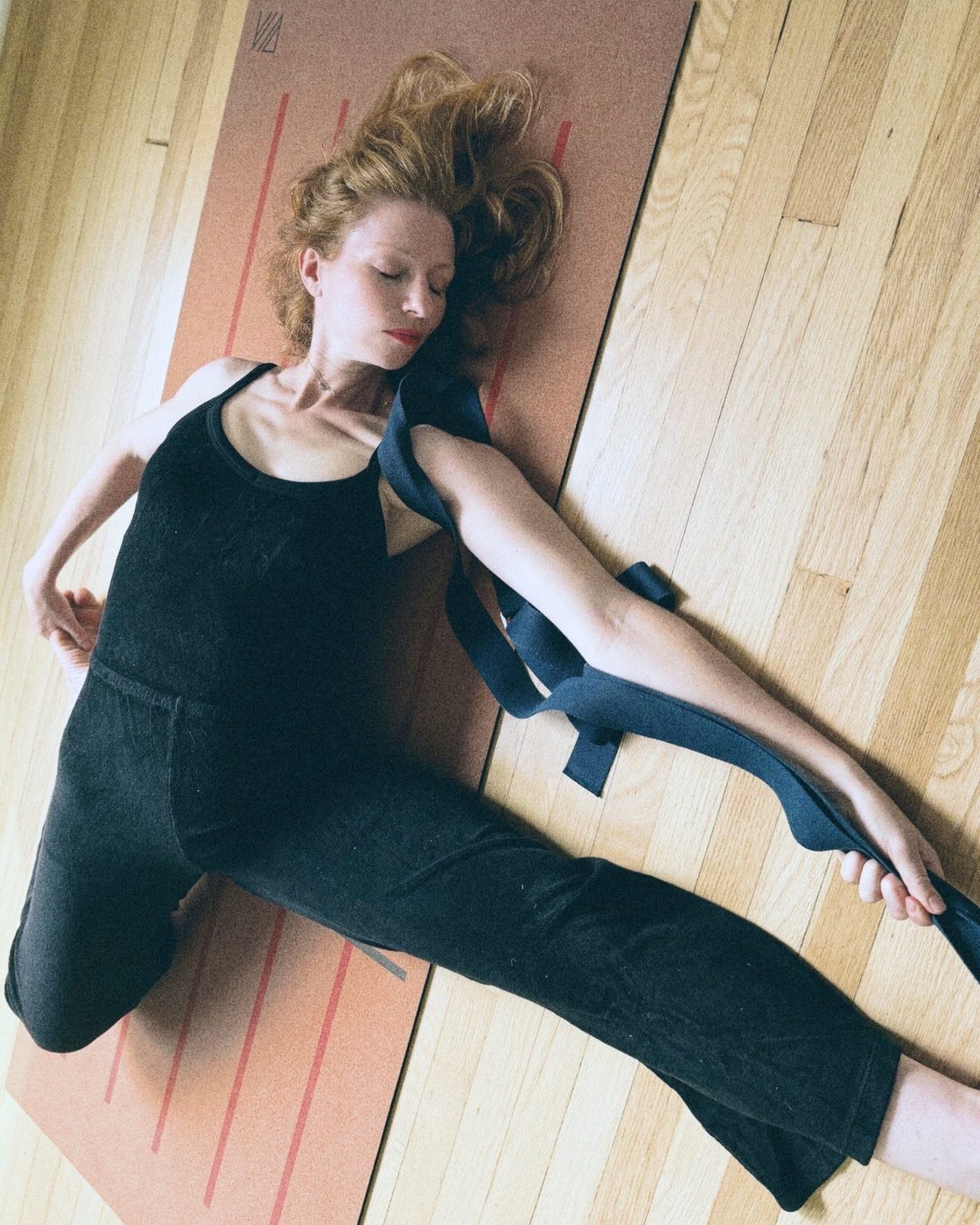
You’ll build confidence in your own felt experience and learn to teach from there, guiding students into their own experience instead of toward one correct shape, and developing an approach that’s yours.
Nervous-system informed
You’ll study how the nervous system works and how yoga and mindful practice support it, in more depth than a typical 200-hour training. Trauma-informed language and choice run through the whole curriculum.
Bodies are different
A functional approach to anatomy: bodies differ, down to the skeleton, so you’ll learn the function of each pose and the myofascial groups it targets. That’s how you sequence a class intelligently and offer variations that make the practice accessible.
A portfolio, not a test
Many trainings end with a final exam. This one doesn’t. As you move through the program, you build a teaching portfolio: your own sequences and teaching themes, feedback from your practicum classes and professional photos from graduation. It prepares you to teach after graduation and enriches your own practice.
Everything Yoga Alliance's 200-hour standard asks for.
The curriculum follows Yoga Alliance's four core areas, taught across the Sundays, your Coconut classes, the online program and the required reading.
Techniques, training and practice · 75 hours
Asana across Hatha, Vinyasa, Yin and Restorative; pranayama, meditation and the subtle body; sequencing; hands-on assists.
Anatomy and physiology · 30 hours
Functional anatomy and biomechanics, fascia, how bodies differ, and the nervous system.
Yoga humanities · 30 hours
Yoga history, philosophy and ethics, the Bhagavad Gita, and an introduction to Ayurveda.
Professional essentials · 50 hours
Teaching methodology, your practicum and feedback, scope of practice, and the professional side of teaching, from ethics to marketing.
The remaining 15 hours deepen these areas.
From the 2025 cohort
In their words.
“This training has expanded that feeling of joy into an extensive knowledge of yoga history, philosophy, and teaching methods, but it also brought me a lifelong bond of new friendships, and mentorship with the most amazing instructors.”
“Now, as a teacher, I feel confident knowing I lead with intention, respect for the practice and yoga’s roots, and adaptability for my students.”
“Anna is a masterful teacher whose previous dance experience of her own translates into a brilliant knack for creative yoga sequencing.”
Practice and practicum
Find your voice as a teacher.
You'll practice, teach and get feedback all the way through. Every trainee creates and teaches two full classes: one live and in person at Coconut, and one live online, each followed by feedback. You'll finish with confidence in your own voice, built through personal growth, more depth in your own practice, and time to find your preferences and delivery as you guide a class. Practicing with many teachers along the way helps you find an approach that's yours.
You'll graduate with a teaching portfolio, including professional photos taken on graduation day, ready to share as you start teaching. After graduation, leading community classes at Coconut is an opportunity to keep building on your practicum. We'll also help you map out how you might keep practicing and sharing yoga, whether that's teaching regular classes, bringing yoga into work you already do, or deepening your own practice.
Made to fit a full life.
Sundays, plus your own pace.
Ten Sundays in the studio. Everything else, online, when it suits you.
Small enough to know you.
A small cohort means individual attention, real feedback and time for your questions.
A payment plan at no extra cost.
A $500 deposit, then three monthly payments.
A practice that adapts to you.
Variations, invitational language and choice, for every body.
How it works
Together on Sundays. At your own pace in between.
A hybrid format keeps the in-person commitment manageable without losing what happens in a room.
10
Sundays at Coconut
45 live hours of practice, study and teaching, 12:30–5:00pm.
Self-paced coursework
Lessons, readings and recorded practices, completed by April 20, 2027. Your readings open as soon as you register. Register in 2026 and you can choose an early start, with lessons opening November 11.
Live Zoom calls
Lectures beyond the recorded coursework, plus online teaching practice. Join lectures live or watch the recording.
A printed manual
Your workbook and reference, yours to keep.
How the 200 hours add up
The program runs from Monday, January 11, through graduation on April 25. Your required and suggested readings open as soon as you register. Excited to get started? So are we. Register in 2026 and you can choose an early start at no extra cost: we'll begin opening lessons on November 11, and you can start using your 20 Class Yoga Pack to explore the required classes at Coconut. You'll have more time with the coursework and lighter weeks once our Sundays begin. Or choose the January start and take the program as we designed it: an immersive four months, January through April, shaped around the people in the room.
45 hours
Training Sundays
Live and in person at Coconut.
12 hours
Coconut classes
Taken as a participant, each with a short reflection.
143 hours
Online program
Lessons, recorded practices, required reading, written work, live Zoom lectures and online teaching.
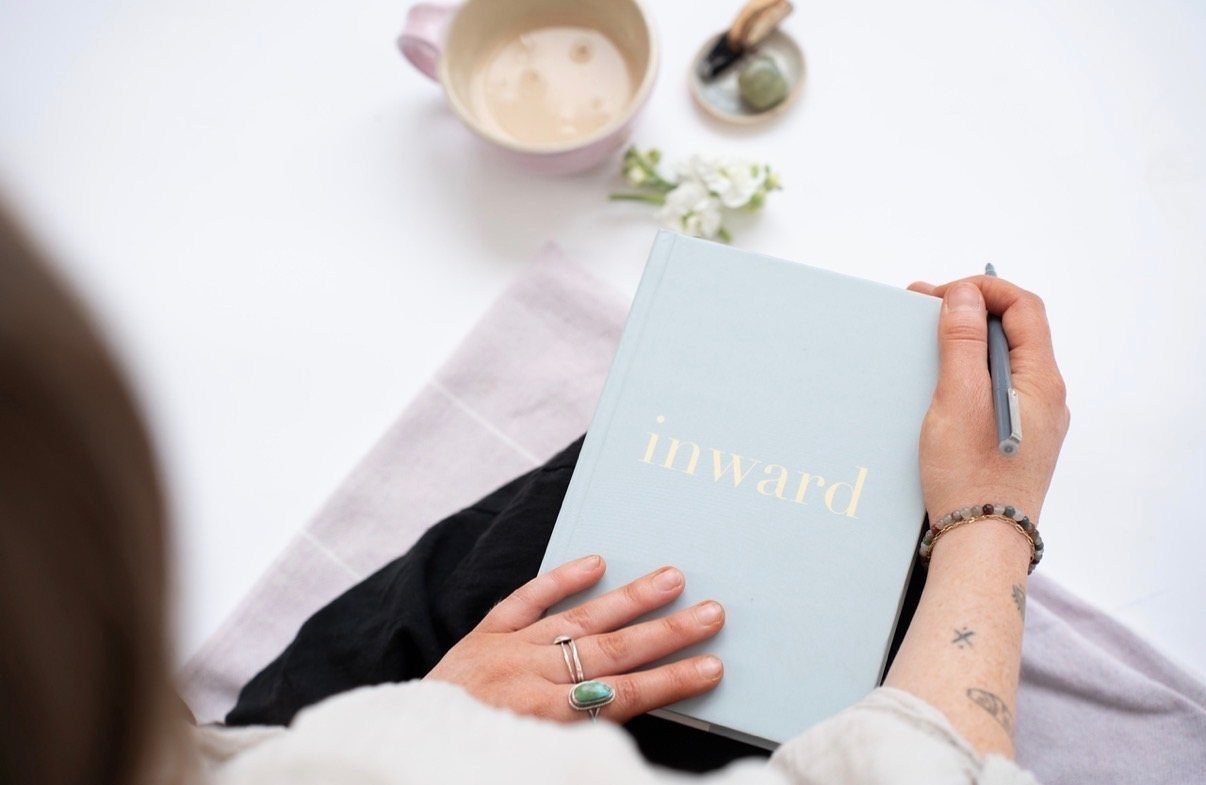
You graduate comfortable teaching in a studio and online.
Inward Yoga is a Yoga Alliance Registered Yoga School (RYS 200). Graduates are eligible to apply for Yoga Alliance's Registered Yoga Teacher (RYT) credential.
What's included
- 45 live hours across ten Sundays at Coconut Yoga Chicago.
- Online coursework with lessons, readings and recorded practices, completed by April 20. You keep access for your own reference through May 28, 2027.
- Live Zoom lectures and online teaching practice, recorded so you can catch up.
- A printed manual and workbook.
- A teaching portfolio you build through the training, including professional photos taken at graduation on April 25.
- Eligibility to apply for Yoga Alliance's Registered Yoga Teacher (RYT) credential.
Required reading: your manual, Leslie Kaminoff's Yoga Anatomy (2nd edition) and Eknath Easwaran's translation of the Bhagavad Gita, plus a short recommended list.
20 classes
A Coconut Yoga class pack, a $320 value
Valid January through April 2027, or from within a week of registering if you choose the early start. Take at least 12 during the training: 4 with Anna, 4 with Kathryn and 4 taught by other Coconut teachers. Take each one as a participant, keep a short class log, and we hope you'll use all 20.
The Sundays
January to April, with room to breathe.
We meet at Coconut Yoga Chicago, 1408 W Belmont Ave, on Sundays from 12:30 to 5:00pm. Between Sundays, you work through the online coursework at your own pace.
Life is full, and we planned for it. There's no training on Valentine's Day (we love love in all its forms), and no in-person sessions for three weekends in March. We call these integration weekends: time for what you're learning to settle into your own practice. Use them however you need. Keep practicing on your own, take Coconut classes, catch up on the self-paced work, travel, or take care of whatever else needs you. We're back together in April.
Our own Sunday classes sit on either side of training, so you're welcome to come early or stay late and practice with us.
- 1 Sun, Jan 24Opening day
- 2 Sun, Jan 31
- 3 Sun, Feb 7
- Feb 14Integration weekend
- 4 Sun, Feb 21
- 5 Sun, Feb 28
- 6 Sun, Mar 7
- Mar 14 – Mar 28Three integration weekends
- 7 Sun, Apr 4
- 8 Sun, Apr 11
- 9 Sun, Apr 18
- 10 Sun, Apr 25Graduation and portfolio photos
Inward × Coconut Yoga
Where the Inward YTT began.
Anna created the Inward YTT and held its first training at Coconut in 2025. Three of its graduates, Sophie (also Coconut's studio manager), Abby and Saturn, now teach at Coconut. From January through April 2027, you'll train in the same room on ten Sundays, and your 20-class pack lets you practice with Anna, Kathryn, 2025 YTT alums and Coconut's other incredible teachers, each with their own voice and background.
- 2025The first Inward YTTIts first cohort trained and graduated at Coconut, and three of them now teach here.
- 2027The next cohortLearn, practice and start teaching the foundations of Hatha, Vinyasa, Yin and Restorative, each as its own skill.
- AfterKeep teachingWe'll help you identify how you'd like to share yoga after you graduate. Graduates have the opportunity to build on their practicum by leading community classes at Coconut.
A note from us
Come as you are. Leave ready to teach.
Maybe you want to teach. Maybe you want to understand your own practice more fully. Both are good reasons to be here, and many of the best teachers we know started with the second.
We built this training the way we teach: attuned to what is happening in the body, and practical enough that you finish able to lead a room. You'll practice, study and teach together on ten Sundays at Coconut, with coursework you do at home in between.
We care about accessibility, choice and self-agency, and about recognizing and celebrating the humanity in our practice and in each other, every time we come to the mat.
We'd love for you to be part of the 2027 training.
Anna & Kathryn
Your teachers
Two teachers, one program.

Anna Maddelein
Founder, Inward Yoga
Anna created Inward because it was what she was searching for, and she thought you might need it too. She began teaching in 2017, after closing the chapter of her ballet career, and has shared yoga at Coconut ever since. She studied Hatha yoga in Kalamazoo, Michigan, where she completed her 200-hour training, and finished her 500-hour training in Barcelona, Spain, in fall 2024.
Anna created the Inward YTT and trained its first graduates at Coconut in 2025, while she was managing the studio. Today she trains yoga teachers in 200-hour and shorter trainings, hosts women’s circles, and leads retreats around the world and close to home. She teaches Flow Slow every Sunday at Coconut.
Get to know Anna
What made you want to teach yoga?
From the beginning, I chose to teach yoga because, growing up as a ballerina, I only knew movement and my body as something to marvel at, to perfect, and honestly, to believe would never be good enough. I found yoga through my best friend, Brittany, and was introduced to a devotional path, with movement that felt supportive to my ever-changing body and to my entire nervous system.
I studied holistic health and world religions in college. My passion for understanding human nature and connecting to something greater than ourselves was very aligned with the teachings of yoga.
What’s a pose that still scares you?
I find myself scared to enter postures that ask me to deepen in areas where I’ve had past injuries. I’ve learned to stay curious, and even more present, when these postures come up, rather than running from them.
What’s your go-to practice on a hard day?
Breath of Joy! It’s playful, it’s invigorating, and it makes me feel light and ready to return to my day.
What do you hope trainees leave with?
I hope you leave with confidence in your own teaching voice, and that you leave really knowing yourself, or at least where to find yourself when you feel lost.
My 200-hour training changed my life and set me off on this crazy and wonderful trajectory. The people, the lessons, the challenges, the lineages! Each teacher and student gets to be part of this amazing lineage, and it’s our duty to pass it on with care, truth and love.
I hope you eat it up and ENJOY!
What would students be surprised to learn about you?
I’ve been studying Spanish for a year and a half. I love the challenge it has been for me, and the people I’ve met because of it. It’s been a humbling journey to be a true beginner at something in your 30s! I’m proving to myself it’s never too late to begin.
Kathryn Norris
Yoga therapist & somatic practitioner
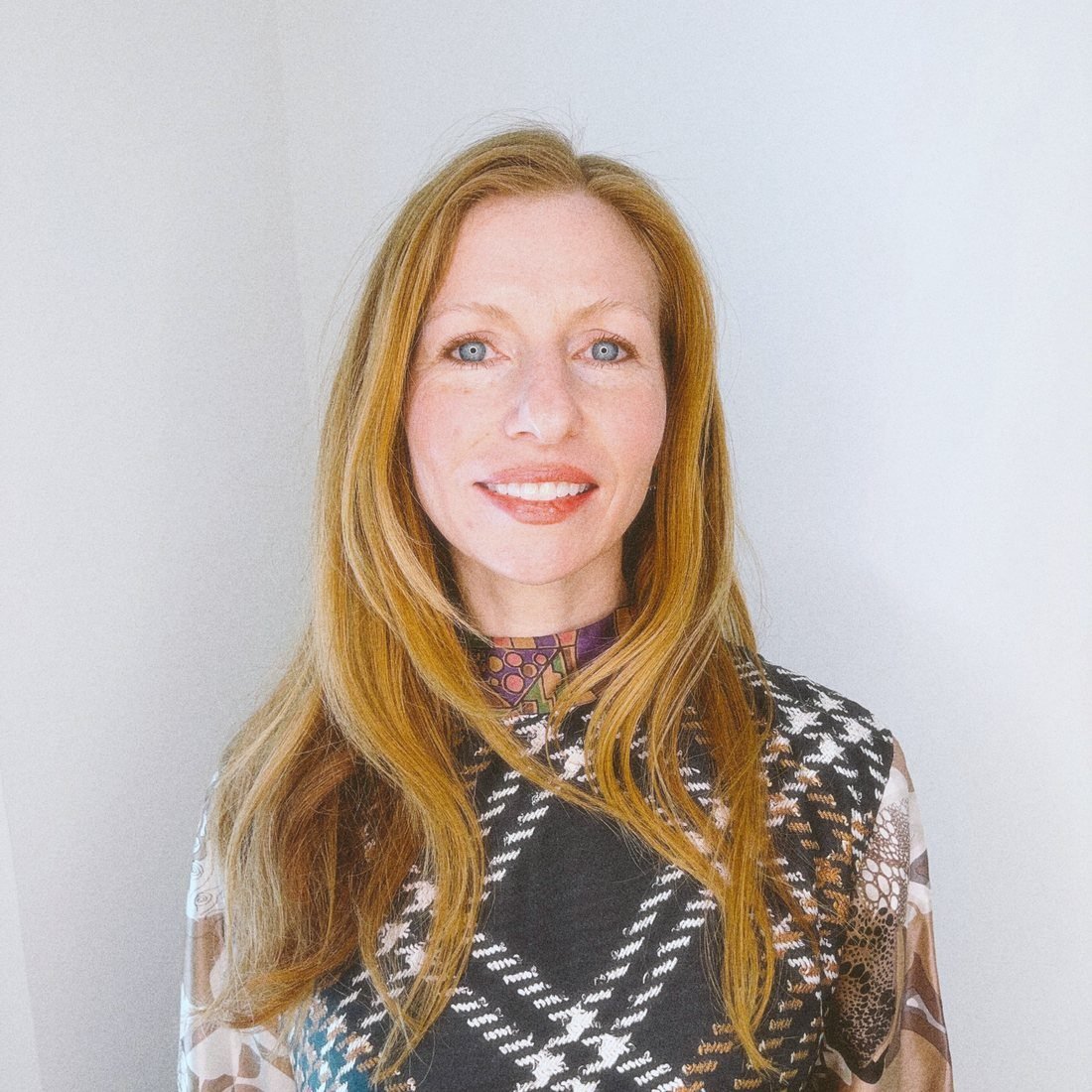
Kathryn is a yoga therapist and somatic practitioner who teaches yoga as a nervous system practice: how bodies differ, what each pose is for, and how breath, movement and stillness help us move between effort and rest. She is completing the practicum for an 800-hour professional yoga therapy program that draws on the Viniyoga, Scaravelli and Vedic traditions, and she anchors that work in a personal practice in the Raja Yoga tradition.
Her path into teaching ran through yin yoga: functional anatomy and fascial science with Paul and Suzee Grilley and teachers trained in their approach; mindful movement and meditation with Addie deHilster; and yoga for the nervous system, mental health and women’s health through Tiffany Cruikshank’s Yoga Medicine. She teaches Yin Bliss on Sunday evenings at Coconut and contributed her Trauma-Informed Yoga & the Nervous System workshop to the 2025 YTT. She also teaches Pilates, which keeps functional movement at the center of how she reads a body, and works with yoga therapy clients 1:1.
Get to know Kathryn
What made you want to teach yoga?
Yin yoga. I found it through Paul Grilley’s book, Yin Yoga: Principles and Practice, and the long holds made me curious: what was happening in the pause between poses, and in bodies built so differently from one another. That curiosity led me to Chinese Medicine principles, the nervous system and somatic practice, and back to classical Hatha and the subtle body.
At its base, yoga is a nervous system practice. Explored through that lens, it opens up more than asana: the philosophy, meditation, energetics and breath that make yoga a whole system. That’s what I want to give new teachers: a way of understanding the body and yoga through the nervous system, with the specificity to teach each style well.
What’s your go-to practice on a hard day?
The quickest one: I pause, come back to my breath and check in with myself. Movement always helps. So does a walk to the lake.
What do you hope trainees leave with?
Self-compassion. For most of my life I lived with a fear of being seen, and the self-compassion I built through practice and teaching is what helped me move through it. Teaching asks you to be seen. It also gives you a lot of practice standing in front of a room, however imperfectly, and that’s where you find strength in your vulnerability. We all have so much to share. I hope this training supports you in sharing yours.
What would students be surprised to learn about you?
During the pandemic, my favorite movement practice was rebounding on a mini trampoline while watching Stop Making Sense. David Byrne is the ultimate fitness instructor.
How to join
It starts with a conversation.
The application takes less than 15 minutes. It's how we get to know you.
- 1 Apply Tell us about your practice and what draws you to the training.
- 2 Hear from us We read every application ourselves and reply within 24 hours.
- 3 Register Accepted applicants receive a registration link. Registration opens Monday, October 26, and closes Friday, January 8. The first four to register pay $3,500. When you register in 2026, you'll choose an early start or a January start.
- 4 Begin Your readings open as soon as you register. With the early start, lessons begin opening November 11. The full online program opens to everyone on Monday, January 11, and we meet in person on January 24.
Questions first? Book a free 15-minute call with Kathryn.
Questions
What people usually ask.
Do I need to want to teach?
No. Many people take a 200-hour training to understand their own practice more fully. Tell us your reason on the application; every reason is welcome.
How do I know if I'm ready?
Only you can answer that: do you have the time and the desire to commit to this training? If you do, we'll be there to support your learning and your progress. One of the things we'll teach you is that a teacher guides students to be their own best teacher: to listen to their bodies and themselves, and to choose from the variations you offer. We'll do the same with you. We'll meet you where you are, with a rich, foundational training that has real depth and specificity, and consistent support and encouragement along the way.
How much time will it take each week?
The online program is about 143 hours in all, on top of the ten training Sundays and your 12 Coconut classes. During the active program, January 11 through April 20, plan on about 9 hours a week of self-paced work. With the early start, lessons begin opening November 11, so you can start sooner and spread the work out. The online program includes lessons, recorded practices, required reading, written work, and live Zoom lectures and online teaching. Zoom lectures are recorded, so you can catch up.
Should I choose the early start or the January start?
The early start is open to anyone who registers in 2026, whether you register when registration opens on October 26 or as late as December 31. Lessons begin opening November 11, so if you register later, the lessons already open are ready for you. Choose the early start if you'd like more time: you can start using your 20 Class Yoga Pack sooner, and spread the self-paced work over more weeks. Choose the January start if you'd rather take the training as one focused stretch, January through April. Either way, you'll do the same coursework and meet the same deadlines. One difference: with the early start, tuition becomes non-refundable on the day your lessons open. With the January start, you can withdraw through January 8 for a refund of everything except the $500 deposit.
Who will I be prepared to teach?
You'll be prepared to welcome and guide students in an open-level class. You'll leave with an understanding of anatomy and a functional approach to yoga, so you can offer variations with confidence and stay within your scope of practice. A 200-hour training doesn't qualify you to specialize in prenatal yoga or to work therapeutically with people with acute or chronic conditions; those take further training.
How much of the training is in person?
All 45 live training hours happen in person at Coconut Yoga Chicago across ten Sundays. You'll also take at least 12 classes at Coconut by April 20: 4 with Anna, 4 with Kathryn and 4 from Coconut's weekly schedule taught by teachers other than Anna and Kathryn. The rest happens in the online program, including live Zoom lectures and online teaching practice. The first Zoom schedule is shared when the program opens, and it fills in as trainees sign up to teach.
Is it Yoga Alliance registered?
Yes. Inward Yoga is a Yoga Alliance Registered Yoga School (RYS 200). When you complete the training, you'll be eligible to apply for Yoga Alliance's Registered Yoga Teacher (RYT) credential. Starting in 2027, that includes passing Yoga Alliance's online assessment on ethics, safety, inclusion and teaching, and holding a current CPR certification. Our curriculum covers these areas, and we'll walk you through registering. Yoga Alliance's fees and your CPR course are separate from tuition.
How much does it cost?
$3,800, or $3,500 for the first four to register. Pay in full, or choose a $500 deposit and three monthly payments, at no extra cost.
Are there costs beyond tuition?
Very few. The two required books together cost under $30, and you can borrow both from the Chicago Public Library. Nothing else is required. You may decide to buy props for practicing at home, like a 10-foot strap, two blocks and a bolster or two. Coconut has all of these in the studio, and part of learning to teach online is working with what students have at home, like sofa cushions, pillows or the belt from a robe. You can complete the training without buying more stuff, but you might enjoy having your own props, and we’ll share sources for some of our favorites when the program begins. If you register with Yoga Alliance after you graduate, its fees and a CPR course are separate.
What if I miss a Sunday?
All ten Sundays are required. Tell us about any conflict by January 20, 2027, or at least 14 days ahead after that, so we can approve your absence. If you miss a Sunday, you’ll make it up on your own time: review the session’s materials, complete any homework, and send a written reflection. A Sunday missed without approval carries a $150 short-notice fee.
What if I need to withdraw?
Through Friday, January 8, 2027, we refund everything except the $500 deposit. After that, tuition is non-refundable. If you choose the early start, tuition becomes non-refundable on the day your lessons open. If the training doesn’t reach six trainees by January 8, we refund everything, deposit included.
How does the class pack work?
Coconut sets up your 20 Class Yoga Pack, valid January through April 2027, and you book through Coconut. If you choose the early start, Coconut activates it within a week of your registration. Take at least 12 during the training (4 with Anna, 4 with Kathryn and 4 from Coconut's weekly schedule taught by teachers other than Anna and Kathryn). Take each one as a participant, with nothing to get signed, and keep a short log of each class, due April 20, 2027.
When do I need to finish?
All coursework is due Tuesday, April 20, 2027, unless Kathryn and Anna agree otherwise with you in writing. Graduation is Sunday, April 25: everyone in good standing (not dismissed, with tuition payments up to date) celebrates together. Graduation day includes a professional photo session for your portfolio, and we'll send your digital files afterward. Certificates are given to trainees who have completed every requirement and paid in full. If you have work outstanding, you’re still welcome at graduation, and your certificate is issued once it’s complete. Any extension ends by May 28, 2027, when the online program closes. Your printed manual is yours to keep.
Do I need liability insurance?
We encourage it. Holding your own liability insurance is a common standard for yoga teachers, and we recommend having it in place before you begin teaching, including your practicum classes. Many studios ask for a certificate of insurance before you join their teaching schedule.
Can I teach at Coconut after I graduate?
Graduates have the opportunity to build on their practicum by leading community classes at Coconut. Community classes are offered at Coconut's discretion, and you'll need your own liability insurance to teach them.
Still have questions? Book a free 15-minute call with Kathryn.